A Warning regarding Liquor Stars
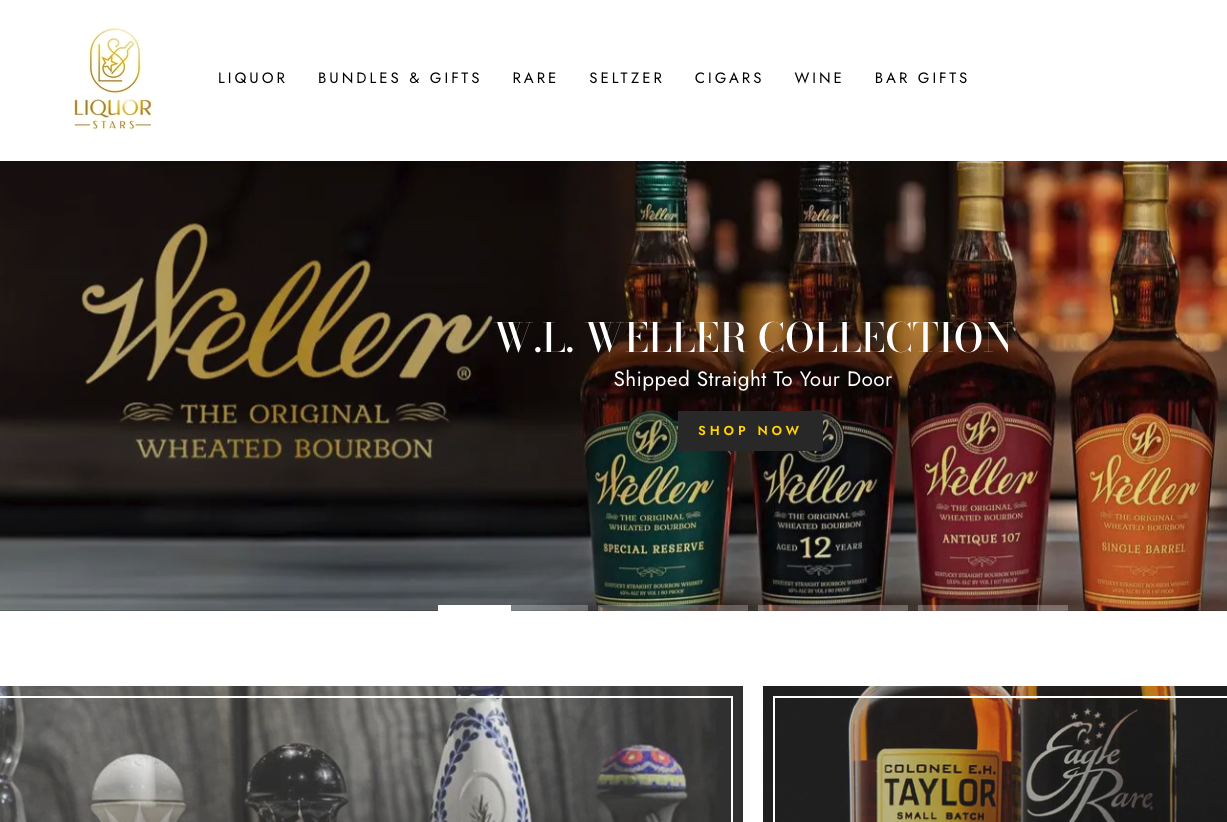
This post server as a warning to consumers concerning purchases at liquorstars.com

Walk down any liquor aisle and you’ll see the words whiskey and bourbon used constantly—sometimes side by side, sometimes interchangeably, and sometimes in ways that feel confusing or even contradictory. The reality is that these terms are related, but they are not the same thing.
Understanding the difference between whiskey and bourbon isn’t about memorizing trivia or showing off at tastings. It’s about learning how ingredients, production rules, and aging choices shape flavor—and how those choices influence what you’ll actually enjoy drinking.
This guide goes well beyond surface-level definitions to explore history, ingredients, aging, flavor development, common myths, and practical buying considerations.
Whiskey is a class of distilled spirits, not a single style. At its simplest, whiskey is made from fermented grain and aged in wood. That basic definition allows for an enormous range of variation, which is why whiskey exists in so many forms across the world.
Over time, whiskey has been shaped by:
Because of this, whiskey is less a single recipe and more a framework that supports many distinct traditions.
Every whiskey starts with grain, and grain selection is one of the most influential decisions a distiller makes. Even before barrels and aging come into play, grain choice sets the foundation.
Different whiskey styles emphasize different grains, and even small shifts in proportions can change the final flavor dramatically.
Bourbon is not a marketing term or a regional nickname. It is a defined style of whiskey with clear rules that protect its identity.
These rules don’t limit creativity—they create consistency. When you buy a bottle labeled bourbon, you know certain things must be true about how it was made.
Bourbon must be produced in the U.S. While Kentucky is historically and culturally dominant, bourbon is legally made across many states. Geography matters less than method.
This requirement cements bourbon as a distinctly American expression of whiskey.
At least 51% of bourbon’s grain recipe must be corn. This is the single biggest reason bourbon tastes the way it does.
Corn contributes:
The remaining grains shape personality. Rye introduces spice and edge. Wheat softens the profile. Barley supports fermentation and subtle complexity.
Bourbon cannot be distilled or barreled at excessively high proof. These limits prevent the spirit from becoming too neutral and ensure that grain character carries through to the finished product.
The result is a whiskey that feels robust and expressive rather than stripped or thin.
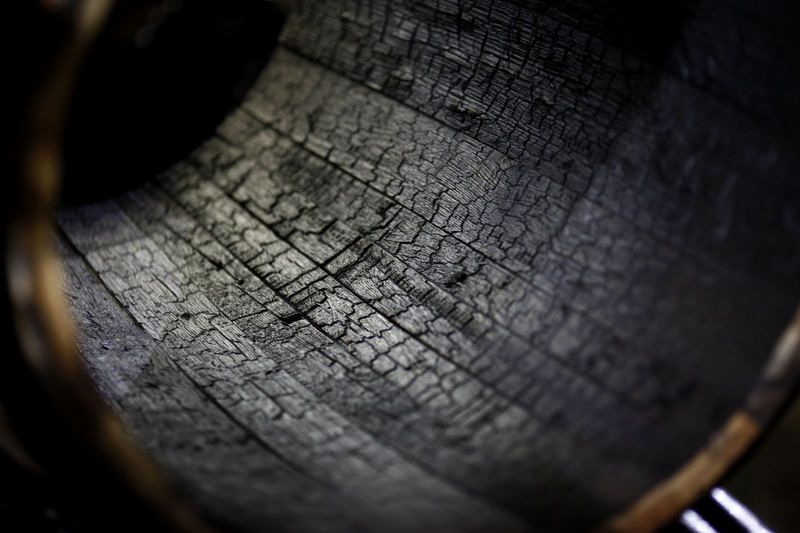
Perhaps the most defining requirement: bourbon must be aged in brand-new, charred oak barrels.
This matters more than many people realize.
Unlike other whiskey styles that reuse barrels, bourbon extracts everything from the wood in a single aging cycle.
Bourbon cannot contain added color, flavoring, or sweetener. What you see and taste is entirely the result of grain, fermentation, distillation, and aging.
This transparency is part of bourbon’s appeal. Nothing is hidden.
Aging is not passive. As bourbon rests in its barrel, seasonal temperature changes cause the liquid to move in and out of the wood.
In warmer climates:
This is why some bourbons reach maturity in fewer years, while others benefit from longer aging for balance rather than intensity.
Older does not always mean better. Balance matters more than age statements alone.
While no two bottles are identical, bourbon often shares a recognizable flavor structure:
These traits make bourbon both approachable and complex—a major reason for its popularity.
Seeing bourbon alongside other whiskey styles helps clarify its identity:
Each style serves a different purpose. Bourbon occupies a space where sweetness, structure, and oak meet in balance.
Bourbon’s boldness gives it exceptional versatility.
This versatility is why bourbon anchors so many classic drinks without losing its identity.
“Bourbon has to come from Kentucky.” Kentucky is iconic, not exclusive.
“Bourbon is sweet because sugar is added.” Sweetness comes from corn and oak—not additives.
“Any brown whiskey is bourbon.” Appearance alone means nothing. Rules define bourbon.
“Older bourbon is always better.” Balance beats age every time.
Once you understand the whiskey–bourbon distinction, shopping becomes easier.
Ask yourself:
From there, labels begin to make sense rather than confuse.
Knowing the difference between whiskey and bourbon changes how you drink—not just what you drink.
It turns:
You stop asking whether you like whiskey and start discovering which whiskey styles suit you best.
Whiskey is the broad, global category shaped by centuries of tradition. Bourbon is a specific American style within that category—defined by corn, new charred oak, and clear production standards.
All bourbon is whiskey. Not all whiskey is bourbon.
That distinction is the key to understanding the shelf—and appreciating what’s in your glass.
This post server as a warning to consumers concerning purchases at liquorstars.com
This post takes a deep dive into the world of American whiskey, explaining how mash bill composition (corn, rye, or wheat) influences the taste, mouthfeel, and character of bourbon, rye, and wheated whiskeys. By breaking down their shared foundation and unique grain-driven traits, it helps readers understand and choose spirits that match their personal palate.
Explaining the key differences between Scotch and Irish whiskey—from distillation methods and peat usage to regional flavor profiles—while guiding beginners toward finding their perfect pour.