

A Warning regarding Liquor Stars
This post server as a warning to consumers concerning purchases at liquorstars.com

Here’s the simple truth: Both Scotch and Irish whiskey start with grain, water, and yeast—but the journey from mash to bottle couldn’t be more different.
Think of it this way: they’re cousins, not twins. Both spirits share a family tree rooted in centuries of Celtic distilling tradition, but the rules, techniques, and terroir of Scotland and Ireland have shaped two wonderfully distinct drinking experiences. Understanding these differences is the key to finding your perfect pour.
To really appreciate what makes each spirit unique, you have to look beyond the spelling (yes, Scotch drops the “e” in whisky, while Irish keeps it in whiskey). The real distinctions come down to geography, ingredients, distillation methods, and aging requirements—all of which are governed by strict laws in their respective countries.
These aren’t arbitrary rules; they’re the traditions and regulations that have evolved over centuries, guaranteeing a certain character and quality in every bottle. It’s what truly sets a peaty Islay Scotch apart from a silky smooth Irish pot still whiskey.
At their core, here’s what defines each spirit:
Scotch Whisky Must:
Irish Whiskey Must:
For anyone looking to dive deeper into the global whiskey landscape, understanding these foundational rules is essential.
For newcomers to the world of whiskey, keeping all the distinctions straight can feel a bit overwhelming. This table breaks down the critical differences in a simple, side-by-side format, helping you see the key contrasts at a glance.
| Key Attribute | Scotch Whisky | Irish Whiskey |
|---|---|---|
| Origin | Must be made in Scotland | Must be made on the island of Ireland |
| Spelling | Whisky (no “e”) | Whiskey (with an “e”) |
| Typical Distillation | Usually double distilled | Traditionally triple distilled |
| Primary Grain | Malted barley is dominant | Malted and unmalted barley, plus other grains |
| Flavor Profile | Often richer, smokier, more complex | Typically smoother, lighter, fruitier |
| Peat Usage | Common, especially in certain regions | Rarely used |
A Tip for New Drinkers: When you’re just starting out, remember this: Irish whiskey is typically your gateway—smooth, approachable, and easy to love. Scotch offers a wider flavor spectrum, from delicate and floral to intensely smoky. If you enjoy smooth spirits, start Irish. If you’re curious about bolder, more complex flavors, venture into Scotch.
One of the most fascinating aspects of Scotch whisky is how dramatically flavor changes based on geography. Scotland is divided into five (sometimes six) recognized whisky-producing regions, each with its own character. Ireland, while smaller, also has distinct distilling traditions that influence its whiskey’s personality.
Understanding these regional differences is like having a map to your own palate preferences. Once you know what flavors come from where, you can navigate a whisky menu like a pro.
Think of Scotland’s whisky regions as distinct flavor neighborhoods. Each one has its own terroir, water sources, and distilling traditions that create unique taste profiles.
Speyside: The heartland of Scotch production, home to over half of Scotland’s distilleries. Speyside malts are known for their elegance, sweetness, and fruit-forward character. Expect notes of apple, pear, honey, and vanilla. Famous distilleries include Glenfiddich, Macallan, and Glenlivet.
Highland: The largest region geographically, Highlands produce an incredibly diverse range of styles. Generally, you’ll find whiskies that are medium-bodied with notes of heather, honey, and a hint of spice. Glenmorangie and Dalmore are standout producers here.
Islay: This small island off Scotland’s west coast is legendary for its intensely peated, smoky whiskies. If you’ve ever tasted something that reminded you of campfire smoke, sea salt, and iodine, it was probably from Islay. Laphroaig, Ardbeg, and Lagavulin are the heavy hitters.
Lowland: Known for producing the lightest, most delicate Scotch whiskies. These are often described as grassy, citrusy, and gentle—perfect for newcomers. Auchentoshan and Glenkinchie are excellent starting points.
Campbeltown: Once home to over 30 distilleries, this small coastal town now has just three. Campbeltown malts are distinctive, often showing briny, oily, and slightly smoky characteristics. Springbank is the region’s star.
A Tip for New Drinkers: If the thought of smoky whisky intimidates you, start with Speyside or Lowland expressions. These regions produce whiskies that are approachable, sweet, and smooth—the perfect training wheels before you tackle Islay’s smoke monsters.
Ireland doesn’t have the same formal regional designations as Scotland, but its distilling traditions create equally distinctive styles. The key differences often come down to the type of still used and the grain composition.
Pot Still Irish Whiskey: This is Ireland’s signature style, made from a unique mix of malted and unmalted barley in traditional copper pot stills. The result is a whiskey with a distinctive creamy, spicy, and full-bodied character. Redbreast and Green Spot are beloved examples that showcase this style beautifully.
Single Malt Irish Whiskey: Made entirely from malted barley at a single distillery, much like Scotch single malts. However, Irish single malts are typically triple distilled, giving them a lighter, smoother profile. Bushmills is the classic producer here.
Grain Irish Whiskey: Made primarily from corn or wheat in column stills, these are lighter and often used in blends. Teeling has done interesting work showcasing grain whiskey’s potential.
Blended Irish Whiskey: The most common style, combining pot still, malt, and grain whiskeys. Jameson, the world’s best-selling Irish whiskey, is a blend.
If there’s one technical difference that has the biggest impact on flavor, it’s the number of times each spirit passes through a still. This is where the smooth reputation of Irish whiskey and the robust character of Scotch really take shape.
Most Scotch whisky is double distilled, meaning the fermented liquid (called “wash”) passes through copper pot stills twice. The first distillation happens in the “wash still,” producing a liquid called “low wines” at around 20-25% ABV. The second distillation in the “spirit still” concentrates this further to around 65-70% ABV.
This double distillation preserves more of the heavier flavor compounds from the malt, the fermentation process, and—crucially—any peat smoke that was used during the malting process. It’s why Scotch can carry such bold, complex flavors.
Traditionally, Irish whiskey goes through the still three times. This extra pass through copper strips away more of the heavier oils and congeners (flavor compounds), resulting in a spirit that is noticeably lighter, cleaner, and smoother on the palate.
Triple distillation is often cited as the main reason Irish whiskey has its famously approachable character. It’s also why Irish whiskey makes such an excellent base for cocktails—that smoothness plays well with other ingredients.
| Distillation Method | Typical Result | Best For |
|---|---|---|
| Double (Scotch) | Richer, more complex, retains bold flavors | Savoring neat, appreciating nuance |
| Triple (Irish) | Lighter, smoother, more approachable | Beginners, cocktails, easy sipping |
A Tip for New Drinkers: There are always exceptions to the rule. Some Scottish distilleries, like Auchentoshan in the Lowlands, actually triple distill their whisky, producing an unusually light Scotch. And some Irish distilleries, like Kilbeggan, double distill certain expressions for a bolder profile. Don’t be afraid to explore the outliers!
Nothing divides whisky drinkers quite like peat. This is arguably the biggest flavor differentiator between Scotch and Irish whiskey, and understanding it will help you navigate menus and avoid (or seek out) those smoky drams.
Peat is partially decomposed organic matter—mostly mosses, grasses, and heather—that has accumulated over thousands of years in boggy, waterlogged areas. In Scotland, peat has been used for centuries as fuel to dry malted barley during the kilning process.
When peat is burned, it releases aromatic compounds called phenols that infuse the barley with smoky, earthy, and sometimes medicinal flavors. The longer the barley is exposed to peat smoke, the more intensely flavored the resulting whisky will be.
Peat usage varies wildly across Scotland:
Historically, Ireland had plenty of peat, but it was primarily used for home heating rather than whiskey production. As a result, peat is almost never used in traditional Irish whiskey making. This is a major reason why Irish whiskey is known for its clean, smooth, and fruit-forward profile.
That said, the craft whiskey boom has brought experimentation. Connemara, produced by Cooley Distillery, is a notable exception—a peated Irish single malt that offers a fascinating bridge between the two traditions.
A Tip for New Drinkers: If you’re curious about peat but nervous about diving into an Islay monster, try a “lightly peated” expression first. Highland Park 12 or Talisker 10 offer approachable introductions to smoke without overwhelming your palate.
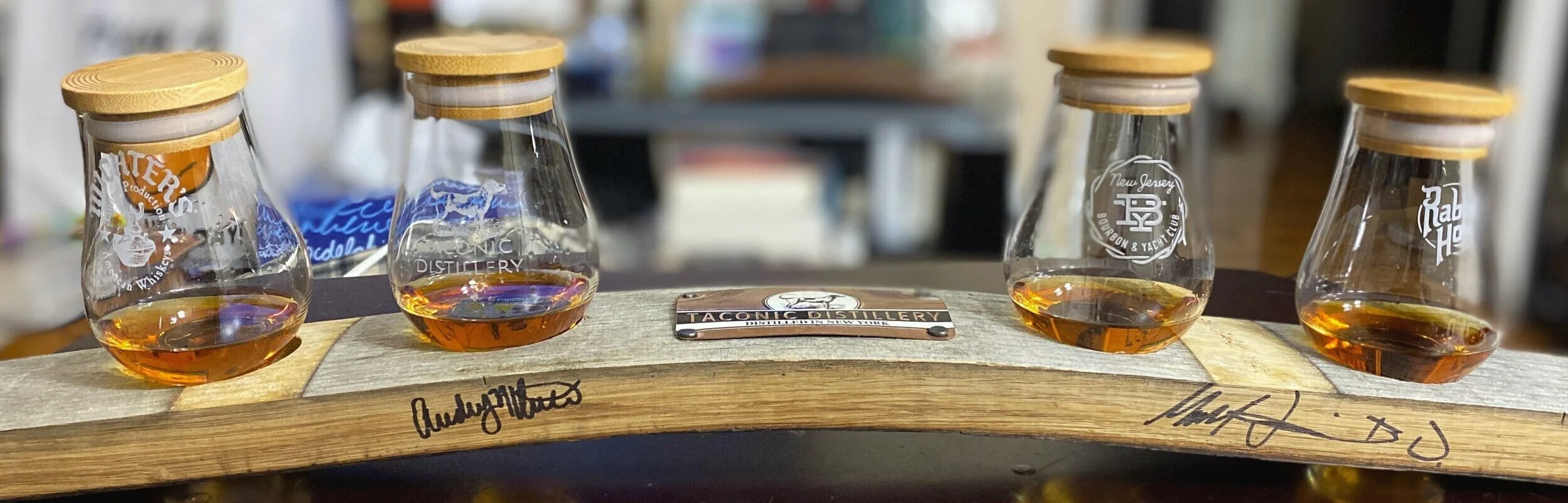
Reading about flavor profiles is one thing, but the real education happens when you actually taste these spirits side-by-side. Setting up a comparative tasting is the fastest way to train your palate and discover what you love.
For a revealing comparison, try to assemble four whiskies that represent the spectrum of both traditions:
Look: Hold your glass up to the light. Scotch often has a deeper amber color due to sherry cask aging, while Irish whiskey tends toward lighter gold.
Nose: Swirl gently and take short sniffs. With Scotch, you might detect smoke, dried fruit, or heather. Irish whiskey often reveals fresh fruit, vanilla, and honey.
Taste: Take a small sip and let it coat your tongue. Notice the texture—is it oily and rich (likely Scotch) or light and silky (likely Irish)?
Finish: After swallowing, pay attention to what lingers. Peated Scotch will leave a long, smoky warmth. Irish whiskey often finishes clean with a pleasant sweetness.
The best way to remove bias is to taste blind. Have a friend pour the samples into numbered glasses and mix up the order. Taste each one, write down your impressions, and then reveal the identities. You might be surprised which ones you prefer when brand names aren’t influencing your perception!
Both Scotland and Ireland are experiencing a renaissance in whisky production. New distilleries are opening at a record pace, and established producers are experimenting with new techniques, cask finishes, and flavor profiles.
A Tip for New Drinkers: Don’t overlook the craft producers. While the big names offer consistency and value, the small distilleries are where the most exciting experiments are happening. Seek them out for a taste of whiskey’s future.
Let’s tackle some of the questions that come up most often when people are exploring these two great whiskey traditions.
The spelling difference is historical rather than legal. The extra “e” in Irish “whiskey” is thought to have emerged in the 19th century as Irish distillers sought to differentiate their product from Scotch, which had a reputation for lower quality at the time.
Today, it’s simply a convention: Scottish and Canadian producers spell it “whisky,” while Irish and American producers use “whiskey.”
Generally, yes—thanks to triple distillation and the absence of peat. However, there are plenty of exceptions. Some Irish whiskeys, particularly pot still expressions, can be quite bold and spicy. And some Scotches, especially from the Lowlands or Speyside, are remarkably smooth and delicate.
Absolutely! In fact, the majority of Scotch whisky is not heavily peated. Speyside, Highland, and Lowland regions all produce predominantly unpeated or lightly peated expressions. Peat-forward whisky is most associated with Islay and a few other island distilleries.
There’s no wrong answer, but most experts recommend starting with Irish whiskey or a Speyside Scotch. Both offer approachable flavor profiles that are less likely to overwhelm new drinkers. Once you’ve developed your palate, you can venture into the smokier, more complex corners of the whisky world.
However you enjoy them! Some purists insist on drinking whisky neat, but there’s nothing wrong with adding a splash of water to open up the flavors or enjoying it over ice. Irish whiskey’s smoothness makes it particularly versatile in cocktails like an Irish Coffee or a Whiskey Sour.
Ready to explore the world’s finest whiskies without brand bias getting in the way? Whether you’re team Scotch, team Irish, or happily in both camps, blind tasting is the best way to discover what your palate truly prefers. Start your journey of discovery today!
This post server as a warning to consumers concerning purchases at liquorstars.com
This post takes a deep dive into the world of American whiskey, explaining how mash bill composition (corn, rye, or wheat) influences the taste, mouthfeel, and character of bourbon, rye, and wheated whiskeys. By breaking down their shared foundation and unique grain-driven traits, it helps readers understand and choose spirits that match their personal palate.
This guide takes a deeper, more deliberate look at the relationship between whiskey and bourbon, moving beyond quick definitions into why those definitions exist and how they shape what ends up in your glass.